July 29, 2026
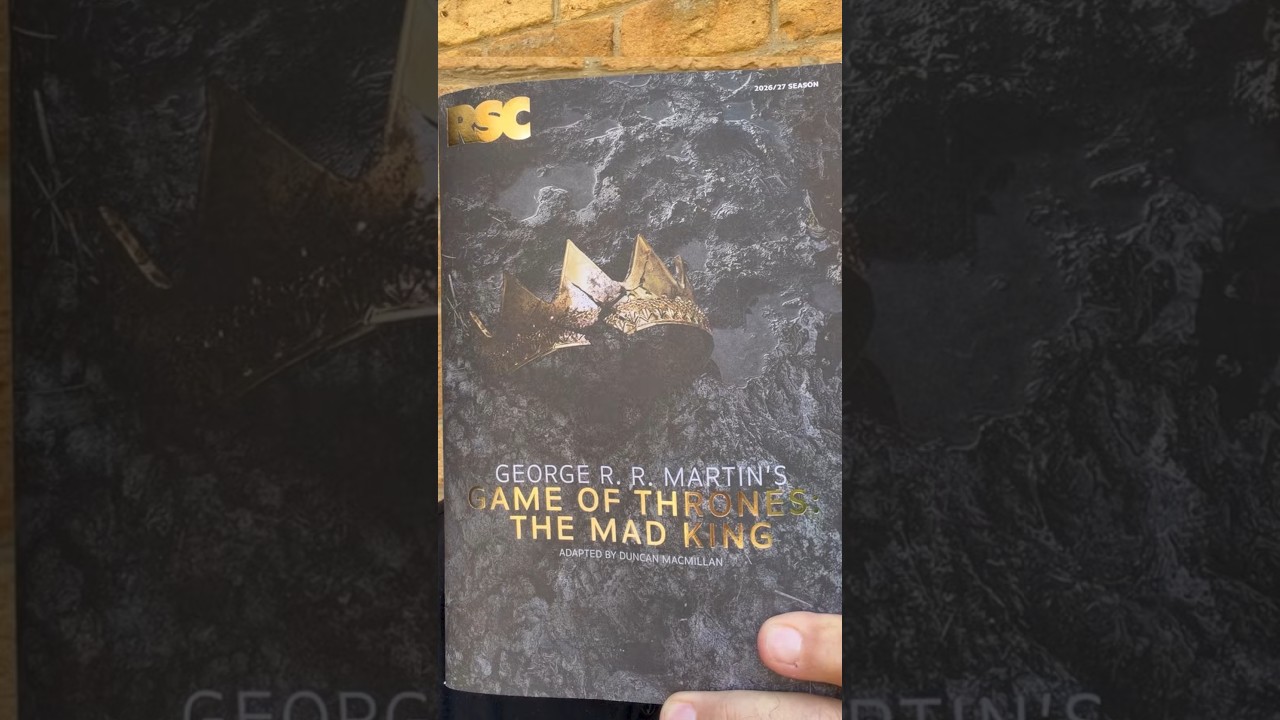
Game of Thrones: The Mad King - FIRST PERFORMANCE

It's been eight years since I launched the Writer's Detective Bureau podcast. Today seemed an appropriate day to relaunch the podcast and introduce the new format. Want to work with me? Check out https://skool.com/writersdetective/about

Beyond chaos: Mayhem is a crime your villain might commit. #CrimeFiction #WritingTips #Storytelling #DetectiveStories #amwriting #filmmaking #forensic #screenwriting #WritingMistakes #MysteryWriting #howtowritecrimefiction #howtowrite #howtowritecrime #thrillerwriting #authortube

What Does FORENSIC Actually Mean? Most Writers Are Wrong #CrimeFiction #WritingTips #Storytelling #DetectiveStories #amwriting #filmmaking #forensic #screenwriting #WritingMistakes #MysteryWriting #howtowritecrimefiction #howtowrite #howtowritecrime #thrillerwriting #authortube

One question I always get as a retired detective helping writers is a major RED FLAG that your story has problems. This is how to FIX it. #WritingTips #Storytelling #CrimeFiction #Screenwriting #PoliceProcedural #WritingMistakes #WritingTips #Storytelling #CrimeFiction #Screenwriting #PoliceProcedural #WritingMistakes #StoryStructure #Scriptwriting
Detectives never handle this kind of case. #CrimeFiction #WritingTips #Storytelling #DetectiveStories #amwriting #filmmaking #forensic #screenwriting
A retired police detective, now a consultant for TV and film, addresses a frequent question from writers that often signals a significant mistake in their storytelling. He explains the common query about how long the police can hold a suspect, offering crucial writing advice for crafting more realistic narratives. This…
Retired detective explains how screenwriters create unrealistic detectives. Rushing to a conclusion causes confirmation bias, leading detectives to ignore contradictory evidence. Real investigations take time. #CrimeFiction #DetectiveWork #Screenwriting #PoliceConsultant #TrueCrime #SuperfansChallenge #AuthorTube #AmWriting
A retired detective reveals how THIS is the ultimate witness. Even deleted data leaves digital breadcrumbs, making 'perfect crimes' nearly impossible. Treat your phone like a witness that never forgets. #CrimeWriting #DetectiveTips #AmWriting #AuthorTube #TrueCrime #WritingHacks #SuperfansChallenge #crime101
Most cases aren't solved by forensics, but by people—witnesses, informants, interviews. Forensic science confirms, but human connection cracks the case. DNA miracles are rare. Focus on behavior, not just lab results. #DetectiveLife #TrueCrime #PoliceWork #InvestigativeJournalism #BehindTheScenes
Retired detective reveals TV gets crime scenes wrong. Too crowded, chaotic. Real scenes are controlled, documented. Experience the eerie quiet of a real crime scene, a frozen moment after violence. #CrimeScene #PoliceDetective #FilmMistakes #TrueCrime #SuperFansChallenge
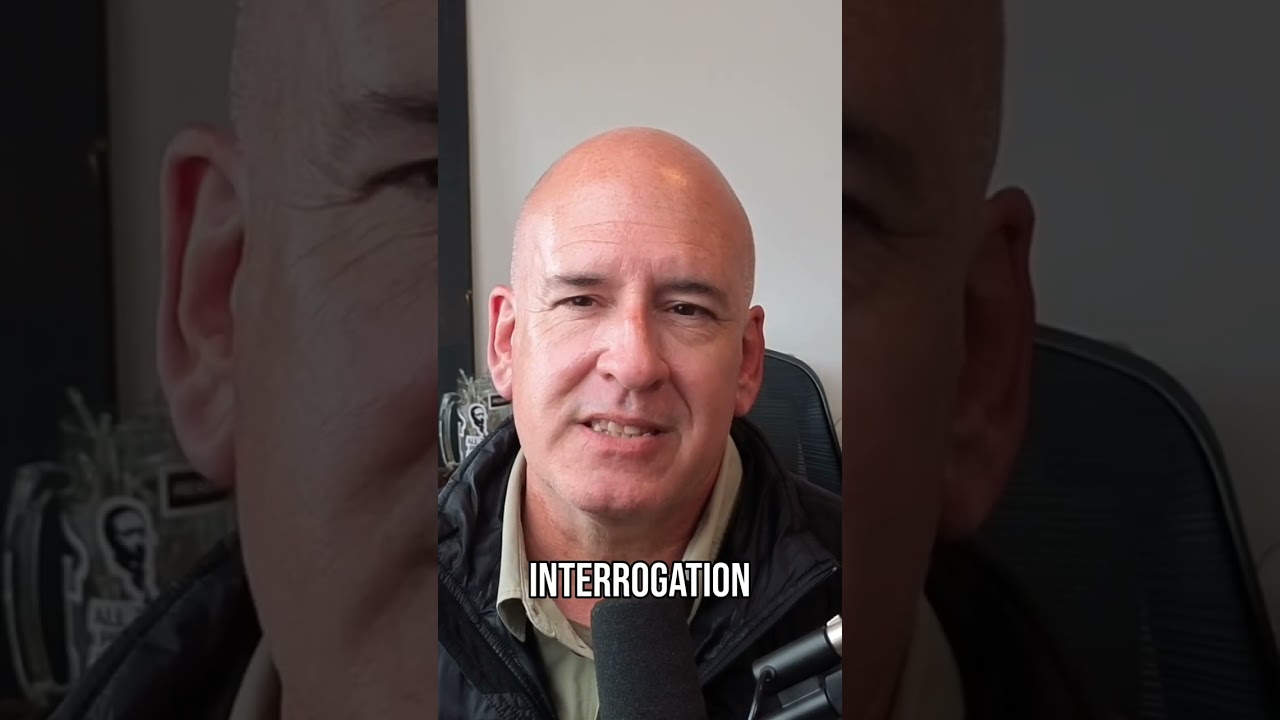
Real interrogations aren't about yelling, but patience, psychology, and the power of silence. Detectives build rapport with open-ended questions, not by revealing case details. Suspects often lie, and debunking those lies is key. #InterrogationTips #DetectiveWork #Psychology #CriminalJustice #WritingTips

Think detectives solve cases solo? Retired detective reveals why that's a myth. Real investigations involve patrol officers, techs, supervisors, and prosecutors. Drama lies within the rules, not breaking them. #DetectiveMyths #PoliceProcedural #CrimeFiction #WritersTips

Adam talks about AI bots, the future of the Writer's Detective Bureau, and ghost guns.

You should be writing! Use the next thirty minutes to add some words to your WIP word count. This immersive writing sprint is the personal playlist I use to get in the deep work zone.

Adam talks about bunco crime investigations, the value of belonging to investigator associations, the trope of retired cops being forced back to work for one last case, and a different kind of POV. Submit a question: writersdetective.com/ask

Adam talks about the new THREADS app, whether detectives can find out if someone is listed as a beneficiary on a life insurance policy, victim notifications when an inmate is released from prison, confidential name changes, and violating protective orders.

In this episode, Adam answers questions about investigating international crime rings, FBI Legal Attaches, INTERPOL, the difference between reactive and proactive investigations, and where prosecutions might happen for transnational RICO cases.

The Writer's Detective Bureau podcast is BACK and now ad-free! Adam has retired from law enforcement and is back answering writers' questions. Adam shares a core character question that he contemplated at the end of his career that could inform how you plot a character arc. Adam then answers questions…

Adam talks about cybercrime investigations, how wiretap investigations involve "trap and trace" and "pen registers" tools, and how undercover detectives conceal their firearms. Submit your own question to the podcast: writersdetective.com/ask

Adam talks about a DA Investigator moving over to a police department as a detective, the legalities of making a warrantless arrest inside a suspect's home, and how to conduct a cover-up.

Adam answers questions about: California’s Alcoholic Beverage Control agency, who investigates murders involving the military, and the surprising limitation on Tribal Police law enforcement powers.
